
Life Insurance for Parents: Everything I Wish I'd Known Before I Needed It
I thought we had life insurance sorted. Then life changed completely and I realised how much I didn't know about protecting our family.
When you become a parent your world changes. For us, I think it changed long before that.
We had fertility struggles and eventually had IVF to have our first son. At the time we had basic life insurance policies we'd taken out when we got our mortgage and, if I'm honest, I thought that meant we were covered.
Mortgage. Life insurance. Responsible grown-up box ticked. ✅
Then life threw us a curveball. 👀
I went into premature labour and suddenly we found ourselves spending a month in hospital. Eventually we were thrown into a darkness no parent ever expects when our son passed away.
It was during and after all of this that I realised our cover didn't actually protect us from so many of the things that had just happened to our family. We had life insurance, but essentially we'd protected ourselves against death.
I didn't know about critical illness cover. I didn't know about income protection. I didn't know there were ways of protecting children, help for hospital stays or cover relating to certain pregnancy complications.
I didn't even know there were people whose job it was to sit down with families and explain all of this.
And I sure as shit wish I had.
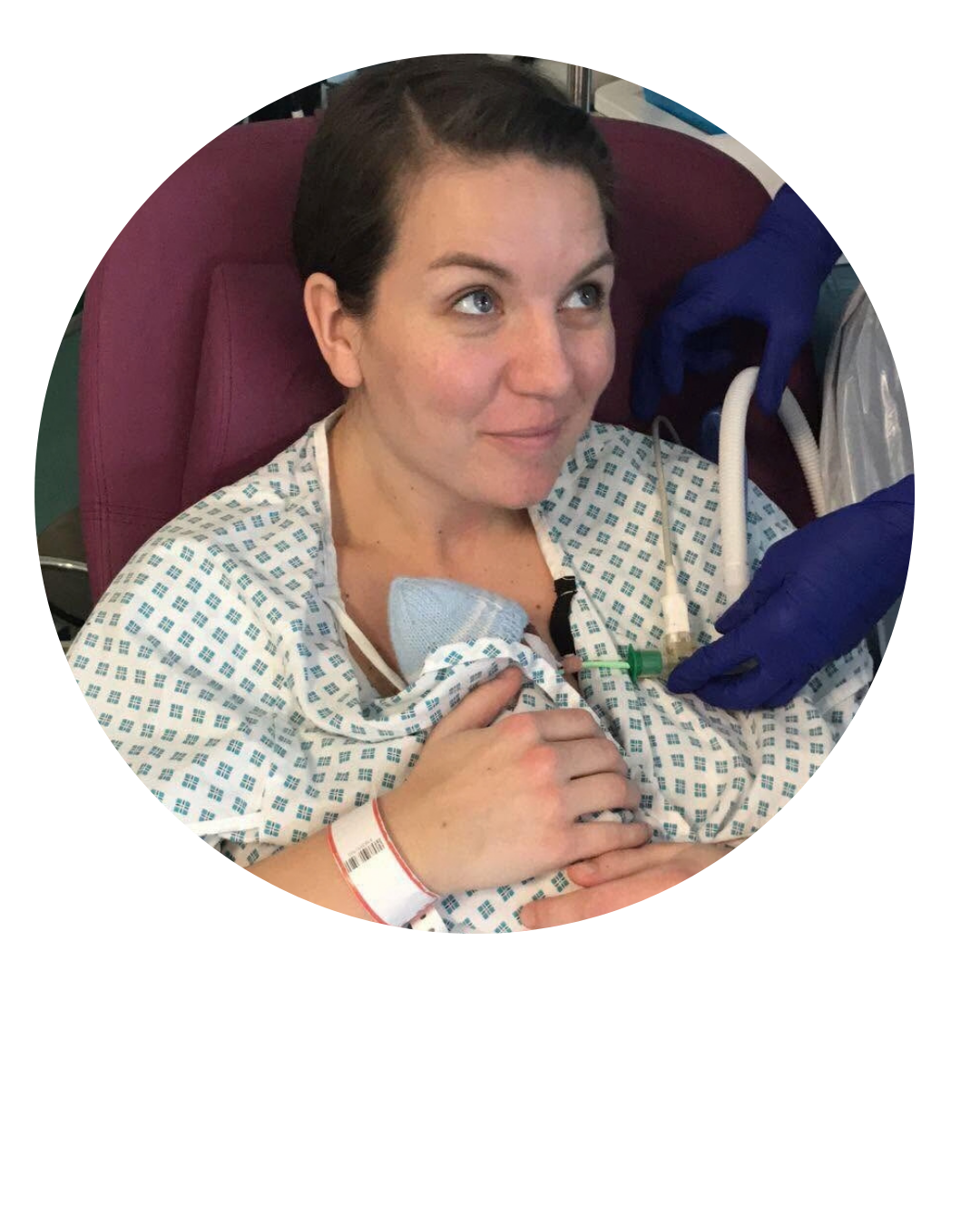
How grief introduced me to an insurance broker
Strangely, I actually found out about a lot of this through a shared experience of grief.
I met Emma, who had also lost a child, her little girl. She had been left in that same darkness but somehow decided to create some light from it and created Cover My Bubble.
The idea was not just to provide insurance, but to actually educate families about what protection was available. Things that could protect families not only if somebody died, but if someone couldn't work, suffered a critical illness, had a child in hospital or suddenly found themselves dealing with one of those situations we all think will happen to somebody else.
Emma became our insurance broker, then she became my friend.
I genuinely think I probably hold the record for the most questions ever asked by one Cover My Bubble customer because insurance just felt SO complicated.
Level. Decreasing. Joint. Single. Critical illness. Income protection. Children's cover.
WHAT DOES IT ALL ACTUALLY MEAN?
Now I feel like I know far more about insurance than I ever intended to know, and I've realised that some of the cover we originally had wasn't actually what I would choose now.
So I want to explain the things I've learnt in the simplest way I possibly can.
Not as a financial adviser.
As a mum who really wishes somebody had explained all of this to her sooner.


Book a free 10-minute call with Cover My Bubble
You give them a few details, they email you the information and options available to you. No hassle, no cold calling — just a simple, easy conversation from a small business that genuinely cares.
Click here to bookFirst, what does life insurance actually do?
At its most basic, life insurance generally provides a payout if the insured person dies during the policy term. That's it. That's the thing I thought covered everything.
It doesn't cover you if you get seriously ill and can't work. It doesn't cover your children if they end up in hospital. It doesn't cover a pregnancy complication. It doesn't replace your income if you're signed off for months. It pays out if you die.
Which is obviously important. But it's not the full picture.
Something else I didn't know: some policies and providers include additional services; things like virtual GP access, mental health support or wellbeing services. But these are not automatically included with every policy, and they vary enormously between providers.
My advice? Ask: "What do I get with this policy apart from the payout?"
You might be surprised by the answer. Or you might find out there's nothing extra in which case, at least you know.
Level vs decreasing life insurance: what's the difference?
This is one of the first things Emma explained to me and it genuinely hadn't occurred to me that there were different types.
Decreasing life insurance generally reduces during the policy term. It's often used to cover a repayment mortgage; the idea being that as your mortgage balance goes down, so does the cover.
Level-term insurance keeps the amount of cover the same throughout the term. Whatever you're insured for on day one is what your family would receive if you died on the last day of the policy.
When this was actually explained to me, I realised I'd want to see both options before deciding.
For example, if I were comparing £250,000 of level cover with decreasing cover and keeping that £250,000 pot cost only a few pounds more each month for my circumstances, I'd personally want to seriously consider it.
Because yes, I want the mortgage paid off. But I'd also want to think about what happens next.
There are still bills. There are children to raise. There could be childcare costs. And the surviving parent may have to change their working life completely.
This is my personal perspective — not a recommendation that level cover is always the right choice. Compare the actual cover, cost and your own circumstances, and speak to a broker or adviser who can look at your specific situation.
Joint vs single life insurance: another thing I wish I'd understood
We had joint cover and I hadn't properly appreciated what that actually meant.
A typical joint life insurance policy normally pays out once following the first death and then ends. That means the surviving person may then need to arrange their own future cover, potentially years later when they're older or their health has changed.
Two individual policies, on the other hand, each cover one person. They can potentially provide separate payouts if each insured person dies within their respective policy term.
I'm not saying single policies are automatically better. That depends on your circumstances, your budget and what you're trying to protect.
My point is: ASK TO SEE BOTH.
Understand what happens after a claim, not just what costs the least today.
One more thing worth knowing: children's critical illness benefits may sometimes be attached to eligible adult policies, depending on the insurer and policy. So this is another thing parents should ask about when comparing cover; which brings me neatly to the next bit.
Critical illness cover: my biggest "oh shit" moment
Critical illness was probably the thing that made me feel most stupid for not knowing about it sooner.
Because once you're dead, you're dead.
What I hadn't really thought about was what happens if you're very much alive but suddenly can't work.
A stroke. A heart attack. Cancer. A serious illness.
These things don't only happen to unhealthy people, and suddenly you're potentially dealing with treatment, recovery, childcare, normal household bills and a loss of income all at the same time.
Critical illness cover can pay a lump sum following diagnosis of one of the specific conditions covered by the policy. The covered illnesses, definitions and payout criteria vary between policies so it's really important to understand exactly what is and isn't included before you buy.
For me, having this kind of protection means that if our family is already dealing with something enormous, worrying about how we're going to pay the bills doesn't have to be added to the pile.
Income protection: the one that nobody explained to me
This is another thing I wish someone had simply put in front of me and said:
"Life insurance pays out if you die.
Critical illness cover pays a lump sum if you're diagnosed with a serious illness.
Income protection replaces part of your income if you can't work."
That's it. That's the simple version I needed.
Income protection can replace part of someone's income if illness or injury prevents them from working, depending on the policy, waiting period and terms. It's not a lump sum, it's typically a regular payment to help cover your outgoings while you're unable to work.
If you're self-employed, a freelancer or someone whose income would stop the moment you couldn't work, this is worth understanding properly.
Bump cover and pregnancy protection: the one I really wish I'd known about
If you're planning more children, this is something I didn't even know existed and I wish I had.
There are insurance products and policy benefits that can provide financial protection for specified pregnancy complications or pregnancy loss, depending on the provider and product. This is not automatically included in ordinary life insurance, it's something you'd need to ask about specifically.
Nobody wants to think about losing a baby when they're pregnant. I know that better than most.
But I also know what it's like to leave hospital without the baby you went in expecting to bring home.
And I sure as shit wish I had known this kind of cover existed when I lost my son.
What about covering your children?
Some adult critical illness policies can include children's critical illness benefits — but this is not universal, and the detail matters enormously.
I would now actively ask the following questions rather than assuming children were automatically included:
- Are all of my children covered?
- Which conditions are included?
- How much would it pay?
- Are there waiting periods?
- Are there exclusions?
- What happens to the children's cover if the adult makes a claim?
Don't assume. Ask.
What about the smaller everyday things?
There are also standalone children's protection products worth knowing about. One I'm personally familiar with is ChildShield by MetLife, a relatively simple children's policy where one policy can cover eligible children in the family.
Products like this can provide payments for things such as eligible fractures and qualifying hospital stays, depending on the policy terms. I'd encourage you to check the current benefits, eligibility, exclusions and waiting periods directly with MetLife before making any decisions, as these details can change.
Is money going to make having your child in hospital any less shit? No.
But being off work costs money.
Parking costs money.
Petrol costs money.
And apparently the saddest sandwich you've ever eaten can cost about £8 when you're inside a hospital.
All those little things add up when you're already having a horrible time.
What else comes with your insurance?
This is something else I had no idea about.
Some policies and providers may include additional services alongside your cover things like virtual GP services, mental health support, wellbeing services or other support benefits. Not every policy includes these, and what's available varies between providers.
My advice here is simply: ASK.
Ask what comes with the policy, because there might be useful benefits you're paying for and don't even know exist.
So what would I ask for now?
If I were sitting down with a broker today, I'd ask to see:
Basically, become me and ask 4,762 questions.
There genuinely are no stupid ones.
Not sure where to start? Book a free 10-minute call
Cover My Bubble will take a few details and email you the information and options available to you. No cold calling, no pressure — just a genuinely helpful small business that wants to make this simple for families.
Click here to bookDo I recommend Cover My Bubble?
Yes. But let me explain that properly.
This is not a sponsored blog post for Cover My Bubble.
Emma started out as a completely random insurance broker who I found after our loss. She became a friend because she is genuinely one of the most caring and kind people I've met, and because she took the time to explain all of this to me without making me feel stupid for asking a million questions.
You can use whichever broker you want. I'm recommending Emma because I actually use her, I trust her, and I know how much she cares about finding families protection that works for their circumstances and their budget.
"If I'm putting my name to it, I mean it."
What I'd tell another parent
I know why people put this stuff off.
Nobody wants to sit there thinking about dying, their partner dying, getting cancer, having a stroke or something happening to their child. As an anxious mum, I certainly don't need any assistance coming up with worst-case scenarios.
But I also know first-hand that sometimes life doesn't follow the version you've planned in your head.
For me, understanding insurance isn't about living your life expecting something awful to happen.
It's knowing that if life does throw you a curveball, you've at least understood what protection you have in place.
I just wish someone had explained it all to me this simply years ago.
Ready to get your family protected? Book a free 10-minute call
Give Cover My Bubble a few details and they'll email you the information and options available to you. No hassle, no cold calling — just a simple, easy conversation to get you started.
Click here to bookFrequently asked questions
What life insurance should parents consider?
Parents typically consider term life insurance (level or decreasing), critical illness cover, and income protection. The right combination depends on your individual circumstances, existing cover, mortgage, dependants and budget. Speaking to an independent financial adviser or broker can help you identify the most suitable options for your family.
What's the difference between joint and single life insurance?
A joint life insurance policy typically covers two people but usually pays out once — following the first death — and then ends. Two individual policies each cover one person and can each pay out separately if both insured people die within their respective policy terms. Policy terms and conditions vary between providers.
What's the difference between level and decreasing life insurance?
Level-term life insurance keeps the payout amount the same throughout the policy term. Decreasing life insurance reduces the payout over time and is often used to cover a repayment mortgage. The right choice depends on what you need the cover to protect.
Does life insurance include critical illness cover?
Not automatically. Critical illness cover is usually a separate product or an add-on to a life insurance policy. It can pay a lump sum if you are diagnosed with one of the specific conditions listed in the policy. Covered conditions, definitions and payout criteria vary between policies.
Can children be included in critical illness cover?
Some adult critical illness policies include children's critical illness benefits, but this is not universal. The conditions covered, payout amounts, waiting periods and exclusions vary between insurers. It is worth asking specifically what children's cover is included when comparing policies.
What is income protection?
Income protection is a type of insurance that can replace part of your income if you are unable to work due to illness or injury. Unlike life insurance (which pays out on death) or critical illness cover (which pays a lump sum on diagnosis), income protection typically provides a regular income during a period of incapacity, subject to the policy terms, waiting period and conditions.
Can you get insurance for pregnancy complications?
There are insurance products and policy benefits that can provide financial protection for specified pregnancy complications or pregnancy loss, depending on the provider and product. This type of cover is not automatically included in standard life insurance. It is worth asking specifically about pregnancy-related benefits when reviewing your cover options.
This article reflects my personal experience and is for informational purposes only. It does not constitute financial advice. Policy terms, prices, eligibility and what is covered vary between providers. Please speak to a qualified independent financial adviser or broker before making any decisions about your insurance cover.


